Affordable Home Renovation Services for Your Family in 2026
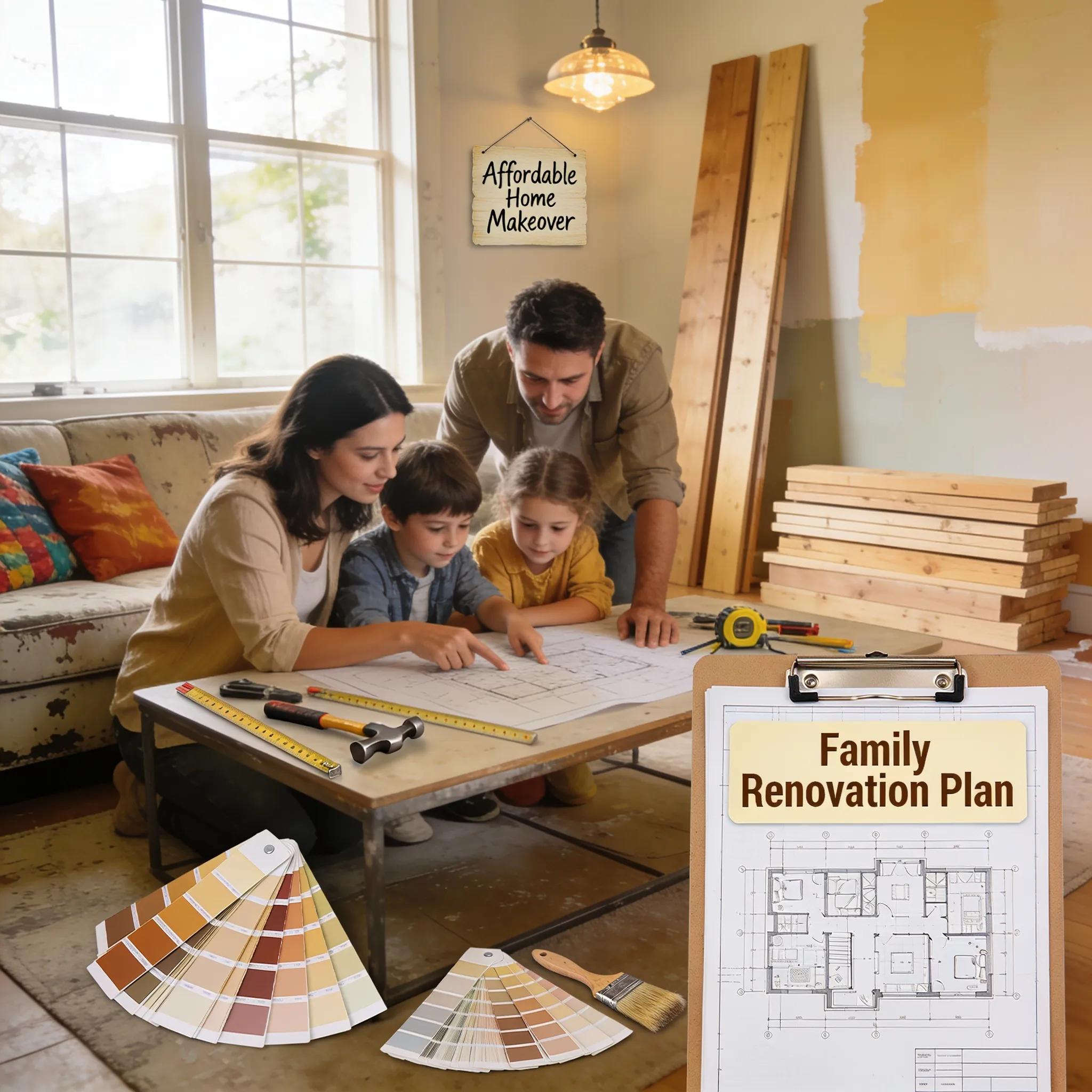
Home renovation can be a daunting task, especially for families looking to create their dream space without breaking the bank. In 2026, the need for affordable home renovation services has become increasingly vital, as many families seek to enhance their living environments while staying within budget constraints. This guide delves into essential strategies for finding licensed contractors, exploring cost-effective remodeling options, and effectively planning upgrades. By addressing common concerns such as costs, materials, and compliance, homeowners can make informed decisions that lead to successful renovations.
In this article, we will discuss how to find licensed residential remodeling contractors, the costs associated with home renovations in 2026, budget-friendly services available, energy-efficient upgrades, and the planning and permit requirements to consider during your remodeling journey.
How to Find Licensed Residential Remodeling Contractors Near You in 2026?
Finding licensed residential remodeling contractors is essential for ensuring that your home renovation is carried out professionally and to code. Homeowners can locate qualified contractors by leveraging various resources, such as online directories, local trade associations, and recommendations from friends or family. It is crucial to select contractors with valid licenses, as this ensures compliance with local regulations and improves the quality of workmanship received.
What Are the Benefits of Hiring Licensed Home Renovation Experts?
Hiring licensed home renovation experts comes with several advantages that provide peace of mind during the renovation process. Key benefits include:
- Quality Assurance: Licensed contractors adhere to industry standards, ensuring high-quality work that meets or exceeds expectations.
- Legal Compliance: Licensed professionals are familiar with local codes and regulations, helping you avoid potential legal issues.
- Warranty Provisions: Many licensed contractors offer warranties on their work, providing additional protection for your investment.
These benefits underscore the importance of selecting only licensed professionals for your home renovation projects, paving the way for a smoother experience.
Where to Verify Contractor Licensing and Credentials?
Verifying a contractor’s licensing and credentials is a critical step for homeowners. Reliable resources for verification include:
- State Licensing Boards: Most states maintain online databases where you can check a contractor's license status.
- Online Databases: Websites such as Angie’s List and HomeAdvisor provide listings of licensed contractors along with consumer reviews.
- Consumer Resources: Local consumer protection agencies and Better Business Bureau ratings can also be helpful in evaluating a contractor's reputation.
Utilizing these resources can help ensure that you engage a qualified contractor for your home renovation.
What Is the Cost of Home Renovation in 2026?
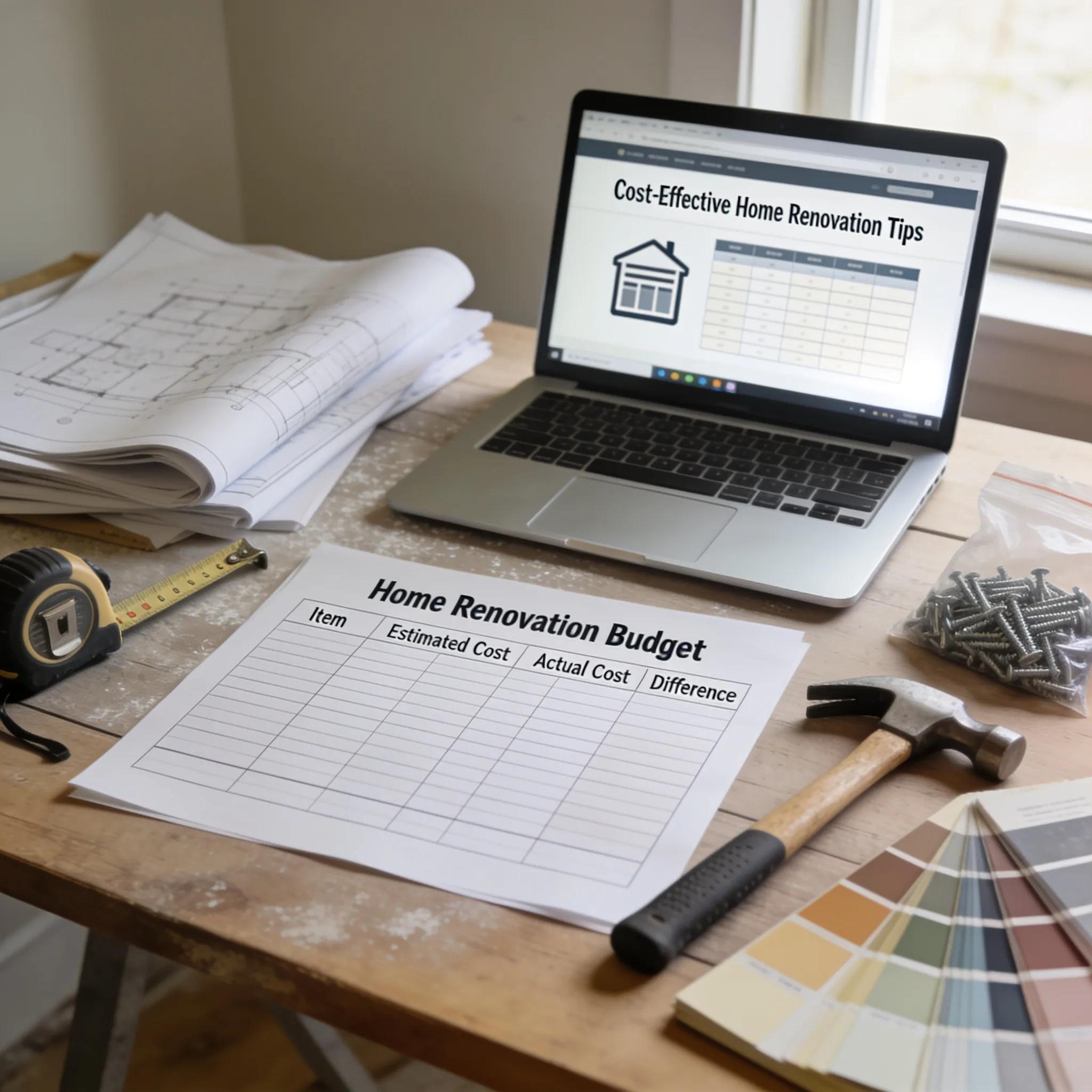
Understanding the costs associated with home renovation in 2026 is essential for successful budget planning. Home renovation costs can vary widely based on factors including the extent of the renovations, materials used, and local labor rates. Homeowners should expect to allocate a significant budget to cover various aspects of the project.
Which Factors Influence Affordable Home Remodeling Prices?
Several key factors influence the prices of home remodeling projects:
- Material Costs: The choice of materials significantly impacts the overall budget. High-quality materials may lead to increased spending but can enhance durability and aesthetics.
- Labor Costs: The labor required for a project can vary based on the complexity and the skill level of the contractors.
- Supply Chain Factors: Market fluctuations and supply chain issues can affect the price and availability of needed materials.
By being aware of these factors, homeowners can make more informed decisions when planning their renovation budgets.
How to Use Detailed Home Remodeling Cost Breakdowns for Budget Planning?
Homeowners can utilize detailed cost breakdowns to create effective budget plans for renovations. Key elements to consider include:
- Understanding Cost Categories: Familiarize yourself with common expense categories such as labor, materials, and permits.
- Setting Budget Limits: Determine realistic spending limits for each category to keep your project on track.
- Prioritizing Projects: Identify essential renovations that will add the most value to your home and allocate funds accordingly.
Using detailed cost breakdowns not only helps in maintaining a budget but also in minimizing unexpected financial surprises throughout the renovation process.
Which Budget-Friendly Home Improvement Services Are Available for Families?
For families looking to improve their homes while managing costs, several budget-friendly home improvement services can provide significant value without overspending. Understanding the various options opens the door to creative solutions.
What Are Cost-Saving Renovation Materials and Methods?
Cost-saving renovation materials and methods can help families achieve their renovation goals within budget:
- Reclaimed Materials: Using reclaimed wood and other recycled materials can offer aesthetic appeal while saving on costs.
- DIY Methods: Homeowners willing to take on certain projects themselves can save on labor costs while also adding a personal touch.
- Energy-Efficient Products: Investing in energy-efficient windows and appliances may have a higher upfront cost but can lead to substantial savings on utility bills.
Adopting these cost-saving strategies can create a balance between budget management and achieving high-quality renovations.
How Do Financing Options Support Budget Home Renovations?
Financing options can greatly assist families in executing their renovation projects without straining their budgets. Some common financing methods include:
- Home Equity Loans: Leveraging home equity can provide access to considerable funds at relatively low interest rates.
- Federal Programs: Various federal programs offer grants and loans to support home renovations, particularly for energy-efficient upgrades.
- Personal Loans: Personal loans provide flexible funding options with varying interest rates depending on creditworthiness.
Exploring these financing opportunities can empower homeowners while minimizing the financial burden of renovation projects.
How to Plan Energy-Efficient Upgrades in Your Family Home Renovation?

Incorporating energy-efficient upgrades into your home renovation plan can lead to significant long-term savings. These improvements also contribute to a healthier living environment and reduce overall energy consumption.
What Are the Most Effective Energy Efficiency Renovation Upgrades?
Several energy-efficient upgrades can be seamlessly integrated into home renovations, including:
- Insulation Improvements: Adding insulation to walls and attics reduces energy loss and improves comfort.
- High-Efficiency Appliances: Upgrading to energy-efficient appliances lowers energy consumption and utility bills.
- Solar Panels: Installing solar panels can dramatically decrease reliance on traditional energy sources, often qualifying for incentives.
These upgrades not only enhance home efficiency but can also pay for themselves over time through energy savings.
Which Incentives and Programs Support Affordable Energy-Efficient Remodeling?
Numerous incentives and programs exist to support homeowners looking to make energy-efficient upgrades:
- Tax Credits: Various state and federal tax credits can offset the costs of energy-efficient upgrades.
- Rebates: Many utility companies offer rebates for implementing energy-saving measures, encouraging sustainable practices.
- Financing Options: Special financing programs specifically for energy improvements are available to facilitate the transition to greener homes.
Leveraging these incentives can make energy-efficient remodeling projects more affordable and appealing.
What Are the Planning and Permit Requirements for Home Renovation in 2026?
Navigating the planning and permit requirements is a vital part of any successful home renovation project. Homeowners must be aware of their local regulations to avoid pitfalls.
How to Navigate Regional Licensing and Permit Variations?
Different regions have specific licensing and permitting requirements that homeowners must adhere to:
- Local Government Roles: Understanding your local government’s role in enforcing building codes is crucial.
- Variation in Regulations: Each area can have distinct regulations, so researching local requirements is essential.
- Tips for Compliance: Always consult with a licensed contractor to ensure compliance with all local regulations during renovation projects.
Following proper guidelines can save homeowners from costly fines and rework down the line.
Which Steps Ensure Compliance During Residential Remodeling Projects?
To ensure compliance throughout the remodeling process, homeowners should focus on key steps:
- Documentation: Keep thorough records of all contracts, permits, and approvals.
- Inspections: Schedule regular inspections with local authorities to ensure all work complies with regulations.
- Final Approvals: Obtain final approvals upon project completion to verify that all standards have been met.
Adhering to these steps can streamline the renovation process and enhance project integrity.