Commercial Renovation Contractors Near You: Pricing and Services
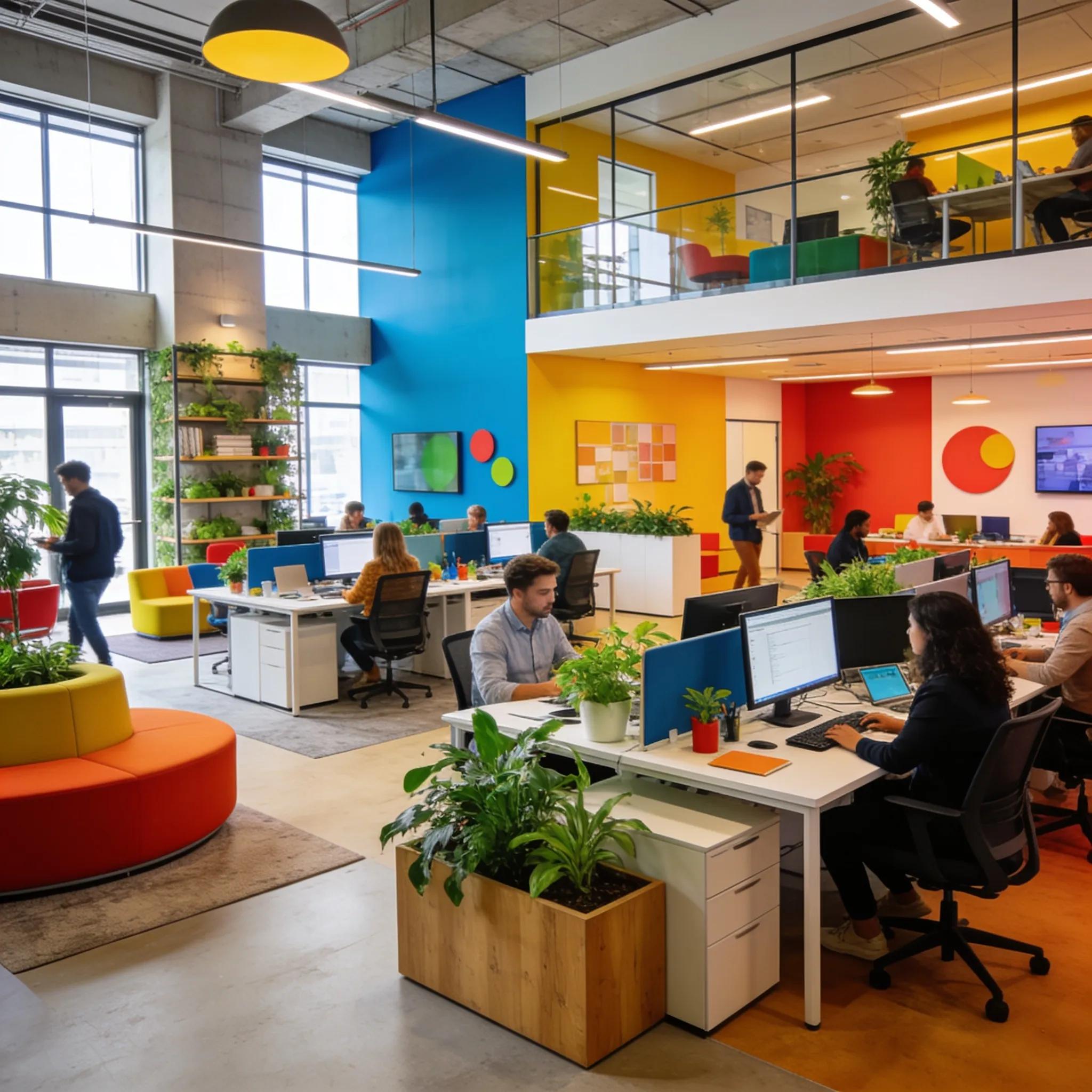
Finding the right commercial renovation contractor can significantly impact your business space, enhancing both functionality and aesthetics. This guide delves into the various services provided by licensed commercial renovation contractors, along with valuable information regarding pricing, project timelines, and essential factors to consider when choosing the perfect contractor. Many businesses face challenges in adapting their spaces to meet evolving operational needs or aesthetic standards, but professional renovation services can help bridge this gap. By understanding the range of available services and their associated costs, you can make informed decisions that positively impact your business environment. This article will cover commonly offered renovation services, factors influencing costs, the importance of contractor licensing, typical project timelines, evaluation criteria for contractors, and recent trends affecting renovations.
What Services Do Licensed Commercial Renovation Contractors Offer?
Licensed commercial renovation contractors provide a wide range of services tailored to the specific needs of business spaces. These professionals ensure that the renovations comply with building codes and standards, contributing to safe and high-quality environments. The services they typically offer include office renovations, retail space remodeling, tenant improvements, and facility upgrades. Engaging licensed contractors guarantees adherence to legal requirements and promotes accountability and quality assurance in the renovation process. Their expertise not only enhances the aesthetic appeal but also optimizes the space for improved functionality, which is crucial for business efficiency.
Which Office Renovation Services Are Common for Businesses?
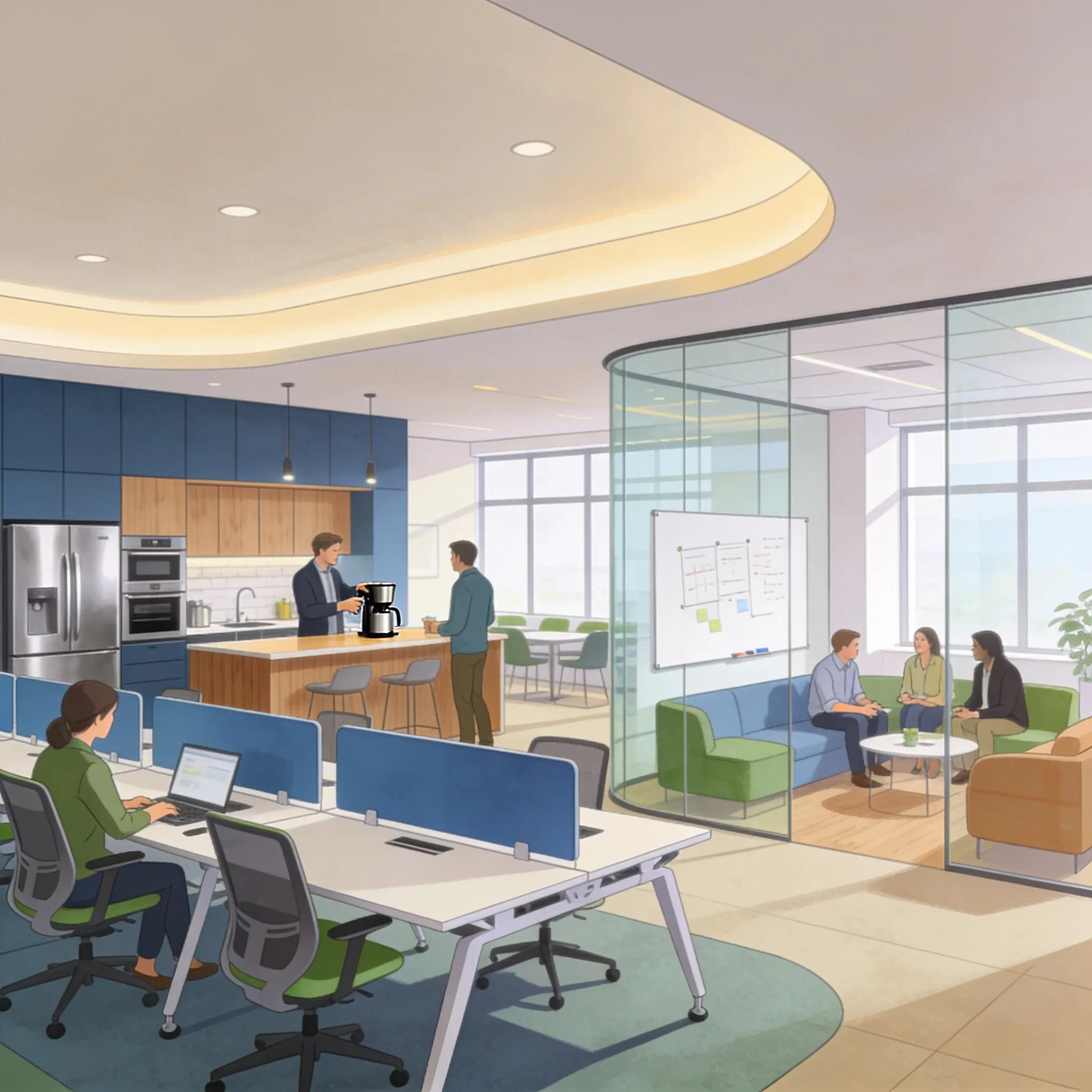
Common office renovation services include layout redesign, workspace optimization, and updating facilities to enhance employee productivity. Contractors may offer solutions such as modular furniture installation, kitchenette improvements, and creating collaborative spaces. These renovations are influenced by factors like cost considerations and benefits for businesses. By investing in modern office aesthetics, companies can foster employee morale and engagement while also impressing clients with a professional environment.
How Do Retail Space Remodeling Services Differ From Office Renovations?

Retail space remodeling often focuses on customer experience, with design considerations that attract foot traffic and enhance brand visibility. Unlike office renovations, retail remodels commonly incorporate elements such as window displays, signage, and merchandise layouts to influence consumer behavior. Client expectations in retail contexts may include a unique shopping atmosphere, which requires careful planning and execution to ensure a cohesive design that aligns with the brand identity.
How Much Does Commercial Remodeling Typically Cost?
The cost of commercial remodeling can vary widely based on multiple factors, including project size, materials used, and location-specific labor costs. Understanding these elements can help businesses establish effective budgets for their renovation projects. Average pricing typically includes estimates based on square footage and the complexity of work involved, which can range significantly from simple cosmetic updates to extensive structural alterations.
What Factors Influence Office Renovation Cost Estimates?
Several key factors determine the cost of office renovations. The size of the project directly impacts labor expenses and material costs, while the quality of materials selected can cause fluctuations in the overall price. Additionally, location can affect labor costs, as some regions may have higher wage standards. Understanding these components will allow businesses to better plan their budgets and expectations regarding renovation expenditures.
How Are Retail Space Renovation Prices Calculated?
Retail space renovation prices are calculated based on a variety of elements, notably materials, labor, and required permits. Common pricing models include fixed costs for specific services or hourly billing for labor-intensive tasks. Market variations may also play a role, as demand for renovation services can influence costs. It's essential for businesses to identify their specific requirements to obtain accurate estimates from contractors.
Why Is Contractor Licensing and Certification Important?
Contractor licensing and certification are crucial for ensuring high-quality service in commercial renovations. Licensing serves as a regulatory requirement that protects consumers by ensuring that contractors possess the necessary skills and knowledge to meet industry standards. Certifications can also indicate a contractor’s commitment to best practices and ongoing education in their field. Engaging licensed professionals helps mitigate risks associated with renovation projects, enhancing the overall quality and safety of work performed.
How To Verify Licensed Commercial Contractors Near You?
To verify licensed commercial contractors, potential clients can utilize various resources, including state licensing boards and online databases. Documentation that may be required includes proof of certification and insurance coverage. Moreover, it's essential to watch out for red flags during the verification process, such as an absence of valid credentials or incomplete project portfolios, which may indicate unlicensed practitioners.
Which Certifications Impact Commercial Renovation Quality?
Certain certifications can significantly enhance the quality of commercial renovations. These may include credentials focusing on energy efficiency, safety standards, or specialized remodeling techniques. Understanding the importance of these certifications allows businesses to select contractors who are equipped to deliver high-quality results that meet both aesthetic and regulatory expectations.
What Are Typical Project Timelines for Commercial Renovations?
Project timelines for commercial renovations can vary based on the nature and scope of the work involved. Simple cosmetic updates may be completed in a matter of weeks, while more extensive renovations, such as structural changes or eco-friendly upgrades, might extend into several months. Effective project planning and communication with contractors are vital for successful project execution and timely completion.
Managing Commercial Renovation Project Timelines and Risks
Simultaneously managing multiple projects of real estate renovation is a great challenge when it comes to the scheduling process, allocation of resources, and risk containment. The work presented in this paper explores the experience of managing a portfolio of five to six properties in the process of renovation at the same time, paying special attention to the development of the successful approaches to managing the multi-project work and reducing the risk factors. Managing Multi-Project Portfolios in Real Estate Renovation: Experience of Simultaneously Handling 5–6 Properties and Risk Minimization, 2024
Effectively managing these projects, especially when balancing multiple properties, requires careful planning and strategic approaches to mitigate risks and ensure timely completion.
How Long Do Office Renovation Projects Usually Take?
Typically, office renovation projects can take anywhere from a few weeks to several months depending on the scope of work involved. Phases of an office renovation often include planning, obtaining necessary permits, actual construction, and final inspections. Time estimates should account for potentially variable factors such as material availability and unforeseen construction challenges, thereby ensuring accurate scheduling.
What Is the Expected Timeline for Retail Space Remodeling?
The expected timeline for retail space remodeling often hinges on the extent of changes required. Scheduling considerations must factor in peak retail seasons to minimize disruption to business operations. Design changes can significantly affect timelines, and clear communication with contractors can assist in managing these timelines effectively. Regular updates throughout the remodeling process ensure that both client expectations and project milestones are aligned.
How Can You Evaluate Commercial Renovation Contractors?
Evaluating commercial renovation contractors involves a systematic approach to assessing their qualifications and compatibility with your project needs. Essential criteria may include examining previous project portfolios, verifying licenses, and obtaining referrals from past clients. Conducting thorough evaluations promotes informed decisions that enhance the likelihood of successful project outcomes.
What Questions Should You Ask Before Hiring a Commercial Contractor?
Before hiring a commercial contractor, consider asking questions related to their experience, project management capabilities, and the warranty or guarantees they offer. Inquiries about their process for addressing unforeseen issues, communication styles, and project timelines can also provide valuable insights into their reliability and professionalism.
How Do Customer Reviews Inform Contractor Reliability?
Customer reviews serve as a significant resource in evaluating contractor reliability. Sources of reviews can include online platforms, referrals from industry peers, and repositories of customer testimonials. Analyzing both positive and negative feedback can inform potential clients about contractor performance, enabling them to make informed hiring decisions based on collective experiences and satisfaction levels.
How Are Recent Trends Impacting Commercial Renovation Pricing and Services?
Current trends in commercial renovations reflect a growing emphasis on sustainability and technology integration. As businesses become increasingly conscious of environmental impacts, many remodeling projects now feature eco-friendly materials and practices designed to reduce carbon footprints. Furthermore, advancements in construction technology are transforming methods, influencing budgeting and planning strategies.
What Role Does Sustainability Play in Modern Commercial Renovations?
Sustainability plays a pivotal role in modern commercial renovations by encouraging the use of eco-friendly materials and practices that minimize waste and energy consumption. The benefits of incorporating sustainable features not only meet rising consumer demands but can also lead to long-term cost savings and improved marketability of commercial spaces.
How Is Technology Integration Changing Commercial Buildouts?
Technology integration is reshaping commercial buildouts by enabling advanced project management tools, innovative design software, and smart building technologies. These technologies enhance precision in renovations and streamline collaboration among project stakeholders, ultimately improving efficiency and cost-effectiveness in the renovation processes.
| Service Type | Average Cost Estimate | Key Considerations |
|---|---|---|
| Office Renovation | $100-$200 per sq. ft. | Duration may vary based on scope |
| Retail Space Remodeling | $150-$300 per sq. ft. | Focus on customer experience |
| Tenant Improvements | $75-$150 per sq. ft. | Tailored to tenant requirements |
Understanding the various service types and their associated costs provides valuable insight into project budgeting and planning, ensuring businesses can successfully navigate the renovation process.